
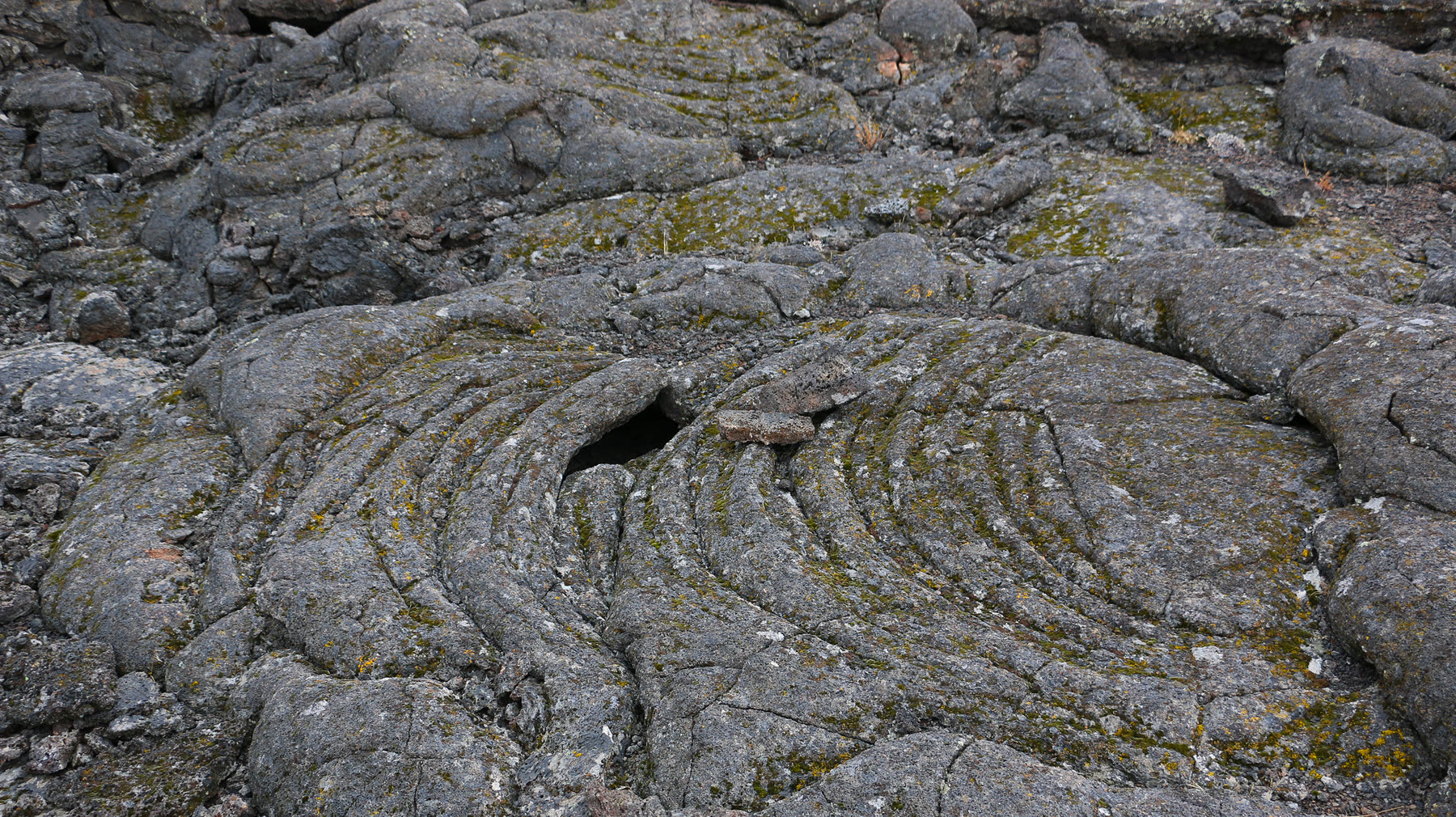
Drive a little north of Jordan Valley and the sagebrush suddenly gives way to something startling: a vast, frozen sea of black rock, cracked and twisted and utterly silent. This is Jordan Craters, and standing in the middle of it feels less like Oregon and more like another planet.
Jordan Craters is one of the most otherworldly places in the whole Owyhee country, and it's hiding in plain sight just up the highway from camp. A 27-square-mile field of black basalt, dotted with craters, lava tubes, and ropy frozen flows, it's a geology lesson you can walk straight into. This guide covers what it is, why it's worth the trip, how to get there safely, and how to build a stay around it.
What is Jordan Craters?
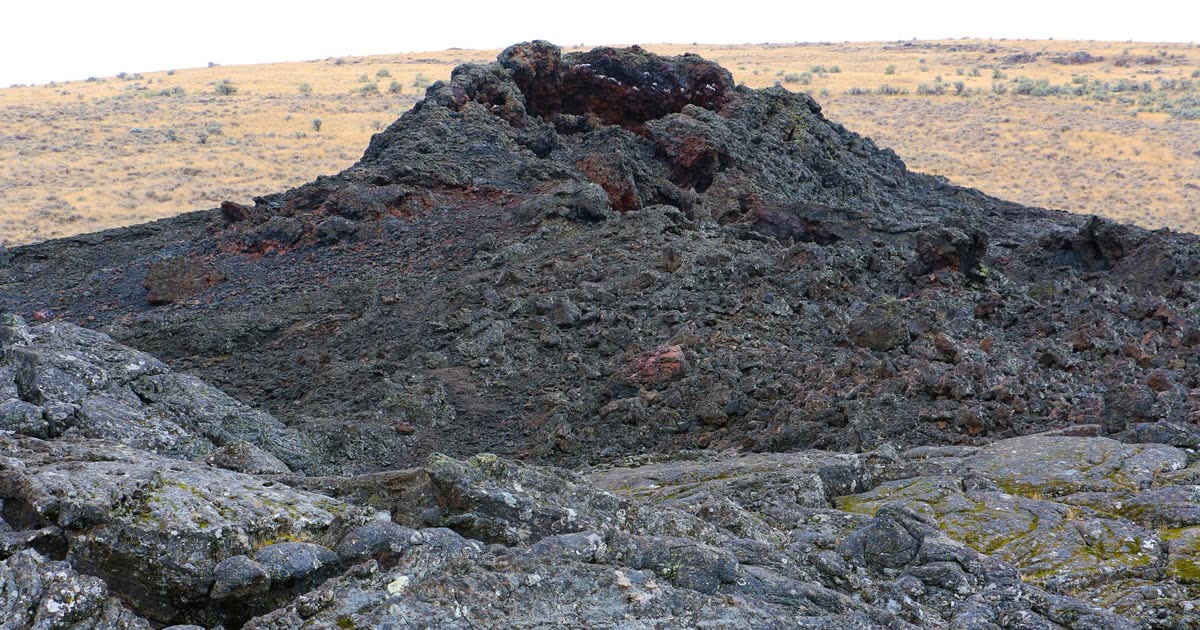
Jordan Craters is a 27-square-mile olivine basalt lava field — and a remarkably young one. The flows are among the most recent in Oregon, so fresh that lichen has barely begun to colonize parts of it; locals like to say you can still see bootprints pressed into some of the rock. The whole field poured out of Coffeepot Crater, a well-preserved, steep-sided crater at the northeastern edge that covers about two-thirds of a square mile. It's the one feature you can drive right up to.
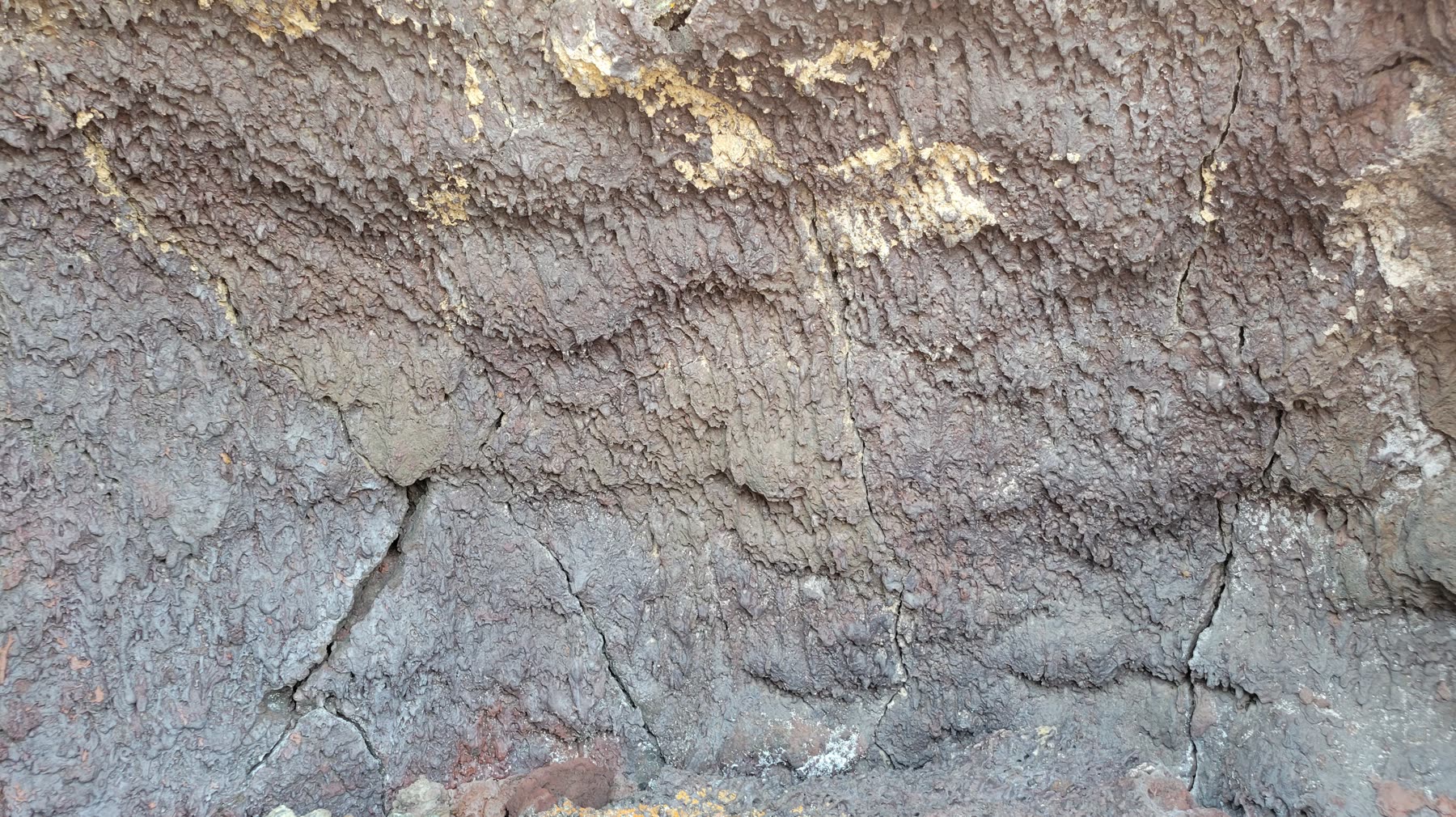
What makes it so striking is the texture. The surface is a frozen record of how lava actually moves: ropy pahoehoe (a Hawaiian word for the smooth, billowy flows you'd recognize from the Big Island), pressure ridges, lava gutters, spatter cones with glassy "furnace-lining" interiors, and collapse pits where the roofs of old lava tubes caved in. Walk the roughly one-mile loop around Coffeepot's rim and down the red cinder path into its heart — about a 150-foot descent — and you'll find trenches, tubes, and caverns to explore the whole way.
Why it's worth the trip
Jordan Craters rewards the traveler who likes their scenery strange and their trails empty. Here's the draw:
- The sheer strangeness. There's nowhere else like it nearby — a black, alien landscape that feels like walking on the moon.
- The geology you can touch. Pahoehoe flows, spatter cones, lava tubes, and collapse pits, all out in the open exactly as the lava left them.
- Coffeepot Crater. Drive up, loop the rim, and hike down into the crater itself — a genuine into-the-volcano experience.
- The solitude. The gravel road keeps the crowds away; on most days the lava field is yours alone, with Cow Lakes shimmering in the distance.
How to get there
From Jordan Valley, head north on U.S. Highway 95 a little over 8 miles to the marked Jordan Craters sign, then turn west onto Cow Creek Road and follow the BLM access signs. The good gravel road runs about 11.5 miles to a fork (keep right), then continues toward Coffeepot. The road is mostly passable in a car in dry conditions, but the final stretch is rough and best with a high-clearance or four-wheel-drive vehicle — or park early and hike in.
A few honest notes before you go:
- Never go on wet roads. This road turns dangerous after even a quarter inch of rain — if it's wet, don't leave the pavement, and don't drive off-road at all.
- Come self-sufficient. Cell service is spotty to nonexistent. Bring a full tank, plenty of water and electrolytes, and tell someone your plans.
- Mind your footing. The lava is razor-sharp in places, with open pits, tubes, and crumbling edges. Wear sturdy boots, watch every step, and keep well back from cavern rims — the walls are sheer and the drops are deep.
- Beat the heat. The black rock can top 120°F in summer. Go early, wear a hat and sunscreen, and don't underestimate the exposure.
Jordan Craters at a glance
- Location
- Owyhee canyonlands, Malheur County, southeastern Oregon
- Managed by
- Bureau of Land Management (BLM), Vale District
- Access
- ~8 mi north of Jordan Valley on Hwy 95, then ~25 mi gravel via Cow Creek Rd; final mile high-clearance/4WD
- Best season
- Late spring through fall, dry conditions only
- Cell service
- Spotty to none — come prepared and self-sufficient
- Good for
- Geology, photography, hiking, solitude
- Cost
- Free to visit (public land)
When to go
The window is late spring through fall, in dry weather only. The gravel road is genuinely dangerous when wet, so always check the forecast and never venture out if rain is in the picture. Summer brings brutal heat radiating off the black rock — if you go in July or August, start at first light and carry far more water than you think you need. Spring and fall offer the most comfortable hiking and the best light for photography across that stark landscape.
See it before you go
We filmed the drive out and the walk down into Coffeepot Crater — the best way to get a feel for just how alien this place really is:
Make Jordan Craters part of a bigger trip
Jordan Craters is one of the closest of the great Owyhee wonders to camp, which makes it a perfect first or last stop on a longer adventure. String it together with the spires of Leslie Gulch, the hidden oasis of Birch Creek, the clay cliffs of the Pillars of Rome, and a day on Owyhee Reservoir. And on your way back through town, Skinner's Rockhouse Coffee in Jordan Valley is worth a stop for huckleberry ice cream. Give yourself a few days — this country rewards it.
Your basecamp for the Owyhees
Jordan Craters is a short drive north — close enough to explore the lava field by day and be back at a comfortable site by evening. Sunny Ridge RV Park is your gateway to the Owyhee canyonlands, near Jordan Valley, Oregon.
Book Your Stay