Sunny Ridge sits in one of the rare spots in the West where you can hunt two states out of the same camp. Jordan Valley is in Oregon's Owyhee Unit, and the Idaho line — with its own units, its own seasons, and its own draw — is only minutes away. Between them lies a sea of public land, healthy game, and the kind of wide-open country hunters drive across the country to find.
This guide lays out what you can hunt here, when the seasons run, and — the part that trips up most out-of-state hunters — how the lottery draws work in each state, because Oregon and Idaho do it very differently. Seasons, tag rules, and deadlines change every year, so every figure below should be confirmed against the official state regulations before you apply. We've linked them throughout, and they open in a new tab.
What you can hunt here
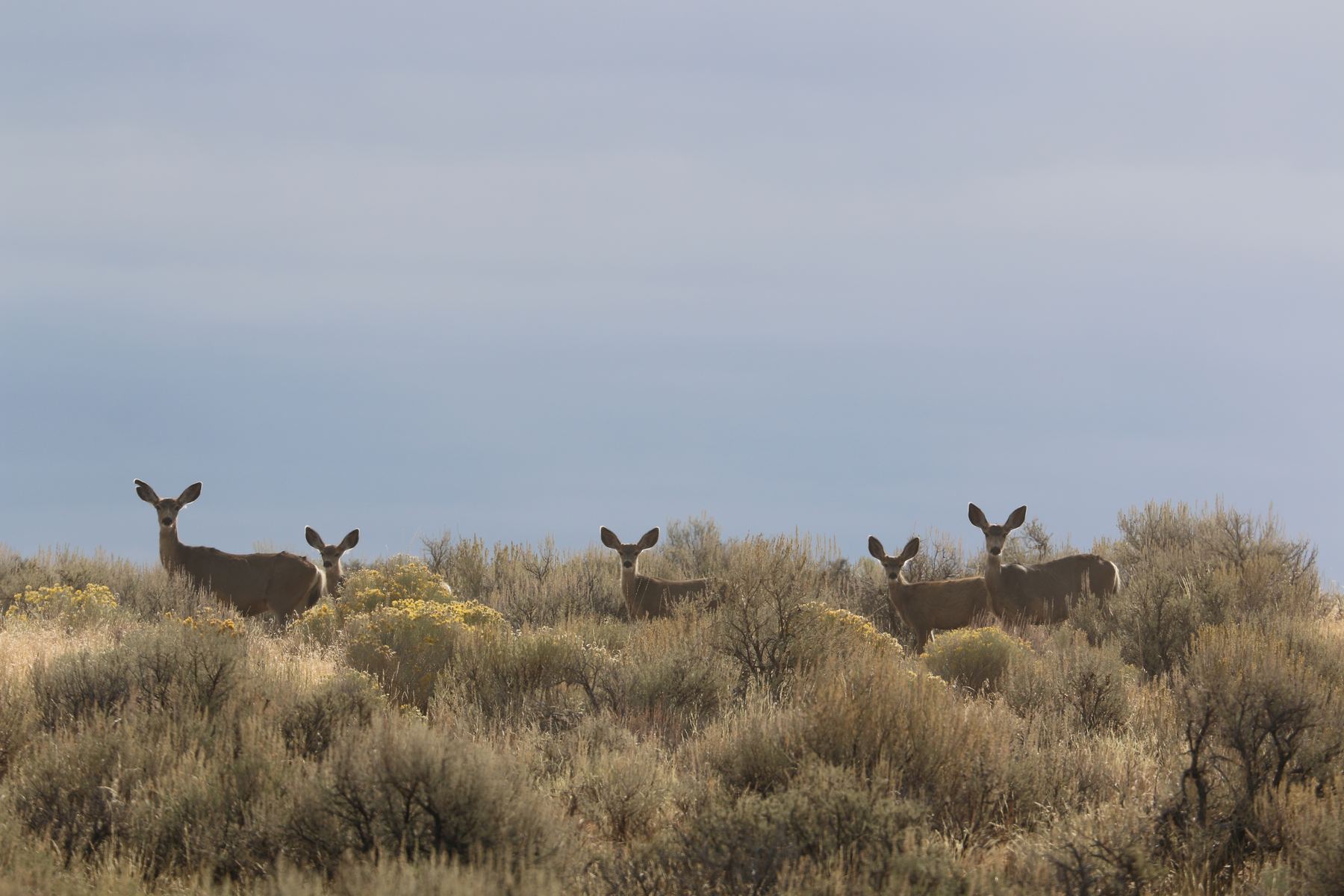
The Owyhee country is genuinely diverse hunting ground. Oregon's Owyhee Unit (Unit 67), which Jordan Valley sits inside, is 89% public land and known as a producer of record-book pronghorn, California bighorn sheep, and mule deer. Just across the line, Idaho's Unit 40 in Owyhee County offers the same desert big game plus its own bird hunting. The species list across the region:
- Mule deer. The backbone of big game here — open sage flats, canyon rims, and rimrock. Spotting them means patient glassing from high vantage points.
- Elk. Present across the Owyhee units, with the higher and more broken country holding the better numbers.
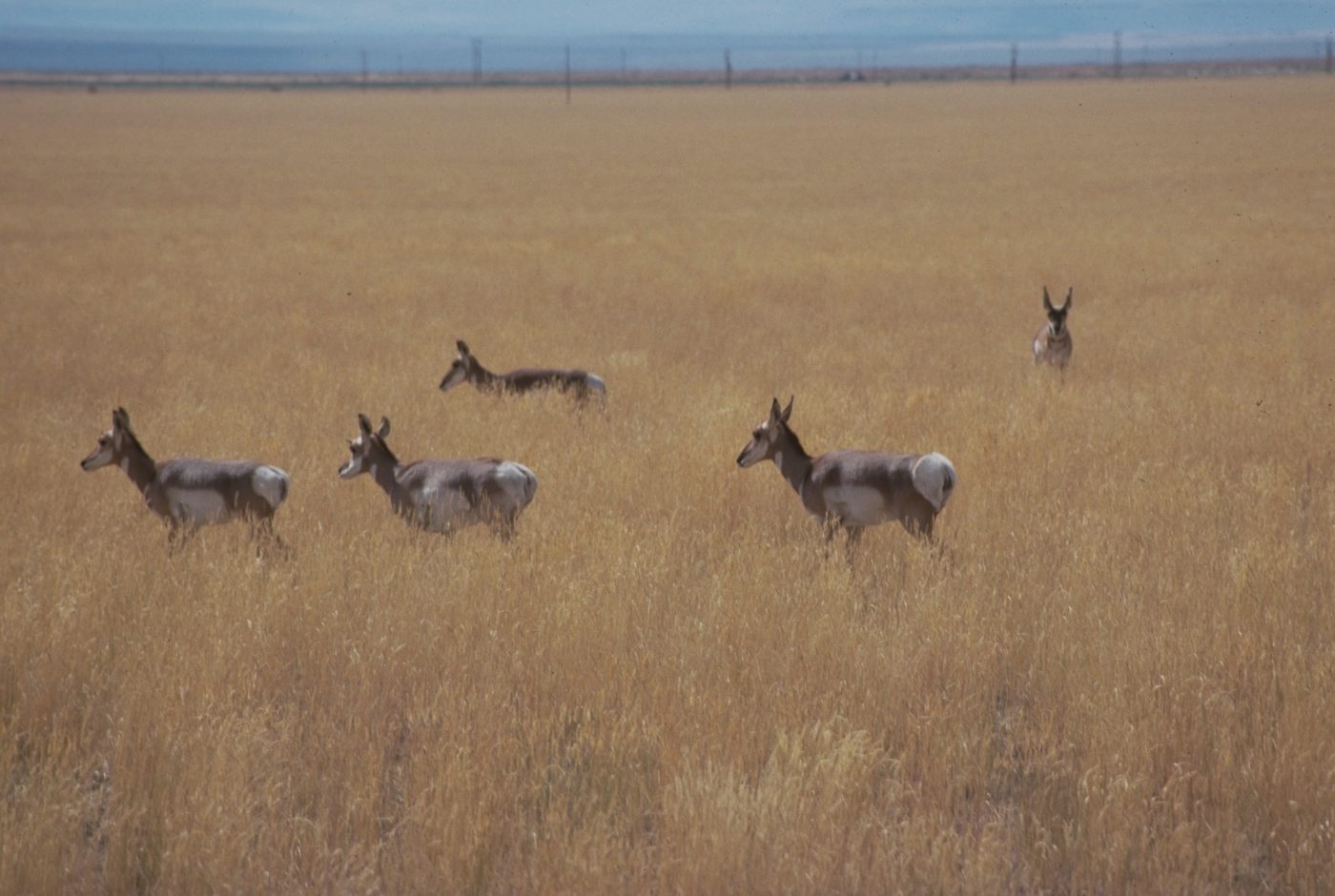
- Pronghorn antelope. The Owyhee is a standout pronghorn area — Unit 67 has produced record-book bucks. Draw-only in both states.
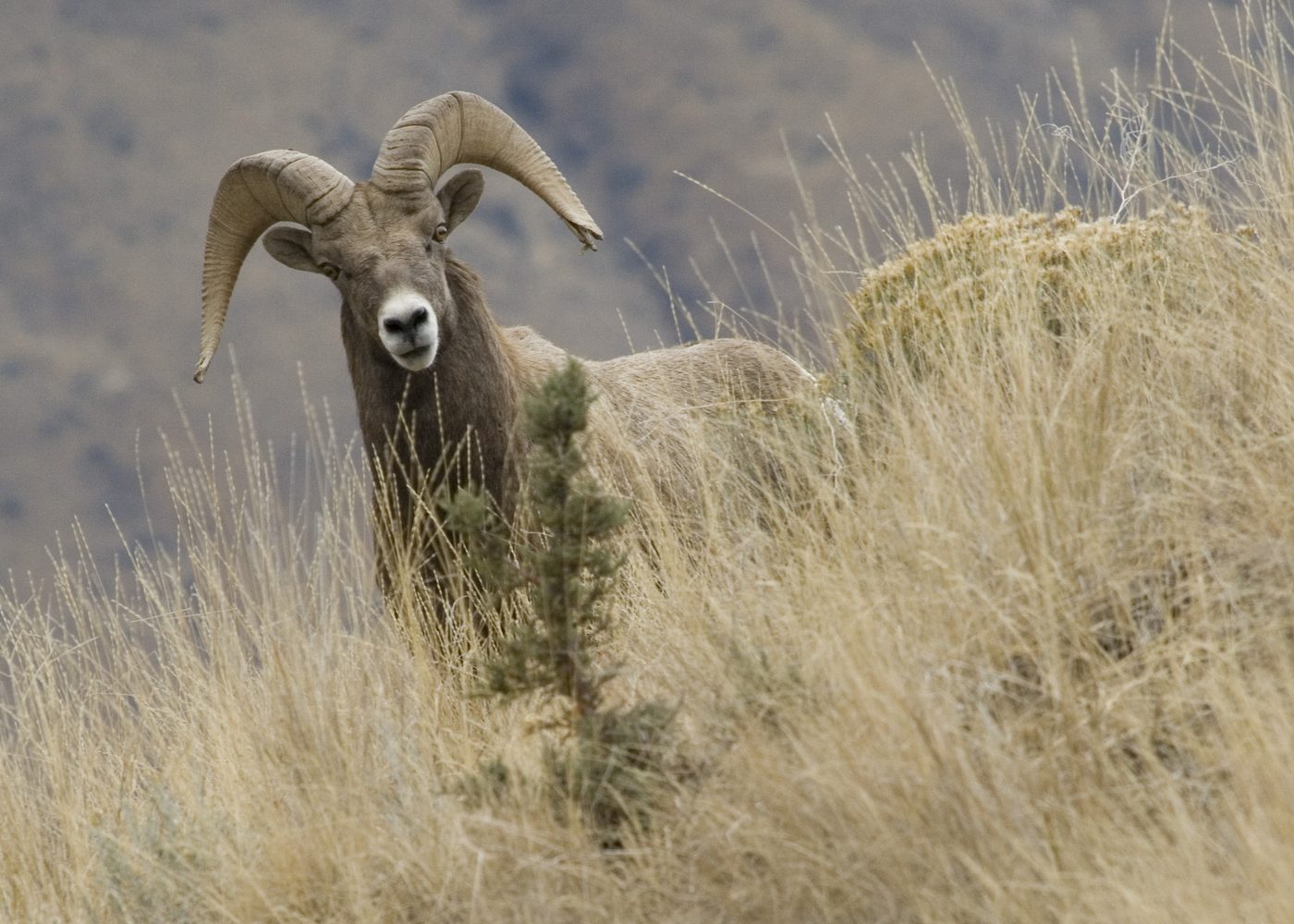
- California bighorn sheep. A genuine once-in-a-lifetime tag. A handful are issued each year for the Lower and Upper Owyhee Canyon; you may spot them on the canyon walls near the Owyhee Reservoir and Leslie Gulch.
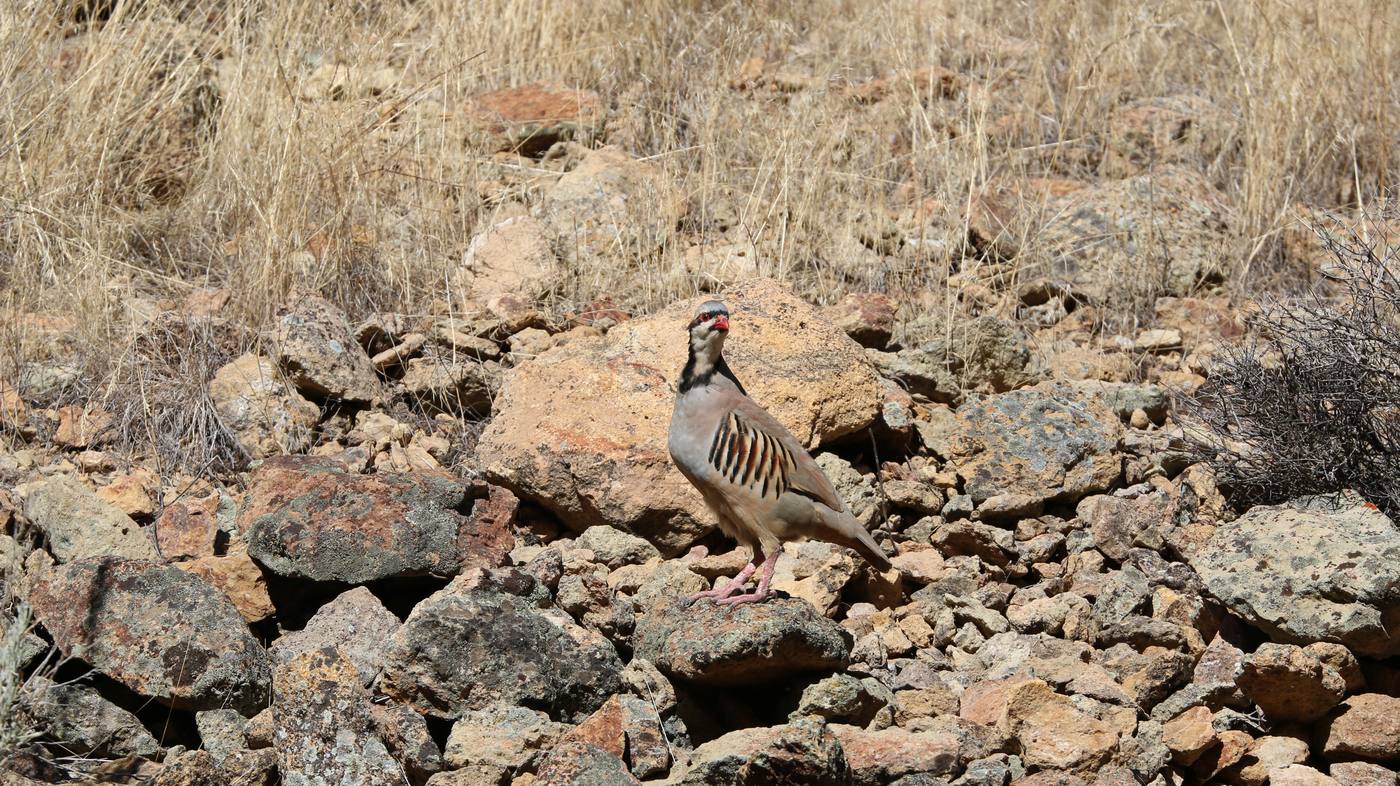
- Upland birds. Eastern Oregon leads the state in chukar harvest, and the Owyhee is prime chukar country, along with Hungarian (gray) partridge, California quail, and ring-necked pheasant. Sage grouse are present but tightly controlled.
- Black bear & mountain lion. Both are hunted in the broader region under their own seasons and rules.
The big difference: how the two states draw
If you take one thing from this guide, make it this — Oregon and Idaho run their draws on completely different systems, with completely different calendars. Getting them mixed up is the single most common way hunters miss a season.
Oregon: a preference-point system
Much of Oregon's deer and elk hunting, and all of its pronghorn, bighorn sheep, and Rocky Mountain goat hunting, is by controlled (limited-entry) hunt — you apply in advance for a draw. Oregon uses preference points: roughly 75% of tags go to the first-choice applicants with the most accumulated points, and the remaining 25% are drawn randomly, so everyone keeps a chance. You earn a point each year you don't draw your first choice. You need a current Oregon hunting license before you can apply, and the main big-game application deadline is May 15 (spring bear is earlier, around February 10). Oregon caps nonresident tags at 5% for controlled deer/elk and 3% for pronghorn. Note a 2026 change: eastern Oregon deer hunts are now organized by Deer Hunt Areas rather than the old wildlife management unit structure.
Idaho: no points, pure random draw
Idaho is the opposite philosophy — no preference or bonus points at all. Every application stands alone and your odds reset each year, so a first-time applicant has the same shot as someone who's applied for a decade. The controlled-hunt application window for deer, elk, and pronghorn runs roughly May 1 through June 5, with results in early July. Pronghorn in Idaho is controlled-hunt only (no general tags). The big recent change: starting with the 2026 season, Idaho moved its nonresident general deer and elk tags out of the old first-come over-the-counter rush and into a structured draw, with an application window in early December the year before. Nonresidents must buy the annual hunting license before applying, and it's nonrefundable.
Oregon hunting — at a glance
- Agency
- Oregon Department of Fish & Wildlife (ODFW)
- Local unit
- Owyhee Unit 67 (Jordan Valley) — 89% public land
- Draw type
- Preference points (75% by points, 25% random)
- Big game deadline
- May 15 (spring bear ~Feb 10) — confirm yearly
- License required
- Yes, before you can apply for the draw
- Nonresident cap
- 5% deer/elk, 3% pronghorn
- General seasons
- Archery deer/elk late Aug–Sept; rifle Oct–Nov (most eastern OR deer is controlled)
- Upland birds
- Chukar & Hungarian partridge ~Oct into late Jan; general license + bird validation
- Apply online
- odfw.huntfishoregon.com
Idaho hunting — at a glance
- Agency
- Idaho Department of Fish & Game (IDFG)
- Local unit
- Unit 40, Owyhee County (across the state line)
- Draw type
- Pure random — no points, odds reset every year
- Controlled-hunt window
- ~May 1 – June 5 (deer, elk, pronghorn); results early July
- Nonresident general deer/elk
- New draw since 2026 — apply ~Dec 5–15 the prior year
- License required
- Yes — nonresident annual license (~$185), nonrefundable
- Pronghorn
- Controlled hunt only — no general tags
- Upland birds
- Chukar & partridge ~mid-Sept into late Jan
- Apply online
- GoOutdoorsIdaho.com
How to put in for the draw
The mechanics are similar in both states even though the odds systems differ. The short version:
- Buy the license first. Both states require a valid hunting license before you can submit a draw application. In both, the license is nonrefundable whether or not you draw.
- Know your unit or zone. You apply by specific unit (Oregon) or unit/zone and tag type (Idaho). Decide where you want to hunt before you start — the Owyhee Unit 67 in Oregon and Unit 40 in Idaho are the local options.
- List backup choices. Oregon lets you rank up to five hunt choices per series; Idaho allows up to five hunt choices with up to four hunters on one application. Always list a realistic second choice.
- Mind the calendar. Oregon's big-game deadline is mid-May; Idaho's controlled-hunt window closes in early June, and its nonresident general deer/elk draw is the previous December. Set reminders.
- Apply online. Oregon at odfw.huntfishoregon.com; Idaho at GoOutdoorsIdaho.com. Both also take applications at license vendors and by phone.
Official state resources
Always plan from the current-year regulations — these are the authoritative sources, and they open in a new tab:
- Oregon big game & controlled hunts: myodfw.com/big-game-hunting
- Oregon controlled-hunt application portal: odfw.huntfishoregon.com
- Oregon Owyhee Unit 67 map & boundary: myodfw.com/owyhee-unit-67
- Idaho Fish & Game hunting: idfg.idaho.gov/hunt
- Idaho license & application portal: GoOutdoorsIdaho.com
- Idaho nonresident deer/elk draw details: idfg.idaho.gov nonresident tags
- Land status & maps (both states): BLM Vale District (OR) manages most of the public land you'll hunt here.
A note on the country itself
This is big, remote, demanding ground. Unit 67 alone is starkly arid and open — desert flats, canyons, ridges, and lava fields where water is at a premium and game can be scattered across miles. Hunters who do well here come physically prepared, glass from high points, and plan around water and weather. There's little to no cell service once you leave town, the roads are mostly unpaved and turn to impassable mud when wet, and you can hunt for days without seeing another truck. Carry more water than you think you need, a good spare, paper or downloaded maps, and tell someone your plan. Verify land ownership before you hunt — the public land is vast but private ranch parcels and the occasional active mining claim are mixed in.
Why base your hunt at Sunny Ridge
Here's the part that makes the Owyhee work as a hunting trip instead of a survival exercise: you don't have to rough it to hunt rough country. Sunny Ridge sits in Jordan Valley, minutes from the Oregon Owyhee Unit and a short drive from the Idaho line — close enough to hunt either state in a day and be back to a hot shower by dark.
And you don't need to own or tow an RV to use us as a basecamp. We have several ways to stay:
- Full-hookup RV sites for those who bring their own rig — level sites with power, water, and sewer, and room to park a truck and trailer.
- Rental trailers — two furnished units you can book without owning a thing. Roll in with your gear and your tags; everything else is here.
- A guest house — a 2-bedroom, 2-bath house for a hunting party that wants real beds, a full kitchen to handle the meat and the meals, and space to spread out after long days in the field.
It's the difference between a camp you dread and a camp you look forward to. Hunt hard all day, come back, clean up, eat well, sleep in a real bed, and do it again tomorrow — in whichever state drew your tag.
Your basecamp for the Owyhee hunt
RV sites, furnished rental trailers, and a full guest house — no rig required. Right in Jordan Valley, minutes from Oregon's Owyhee Unit and the Idaho line. Book early; hunting season fills fast.
Book Your Stay