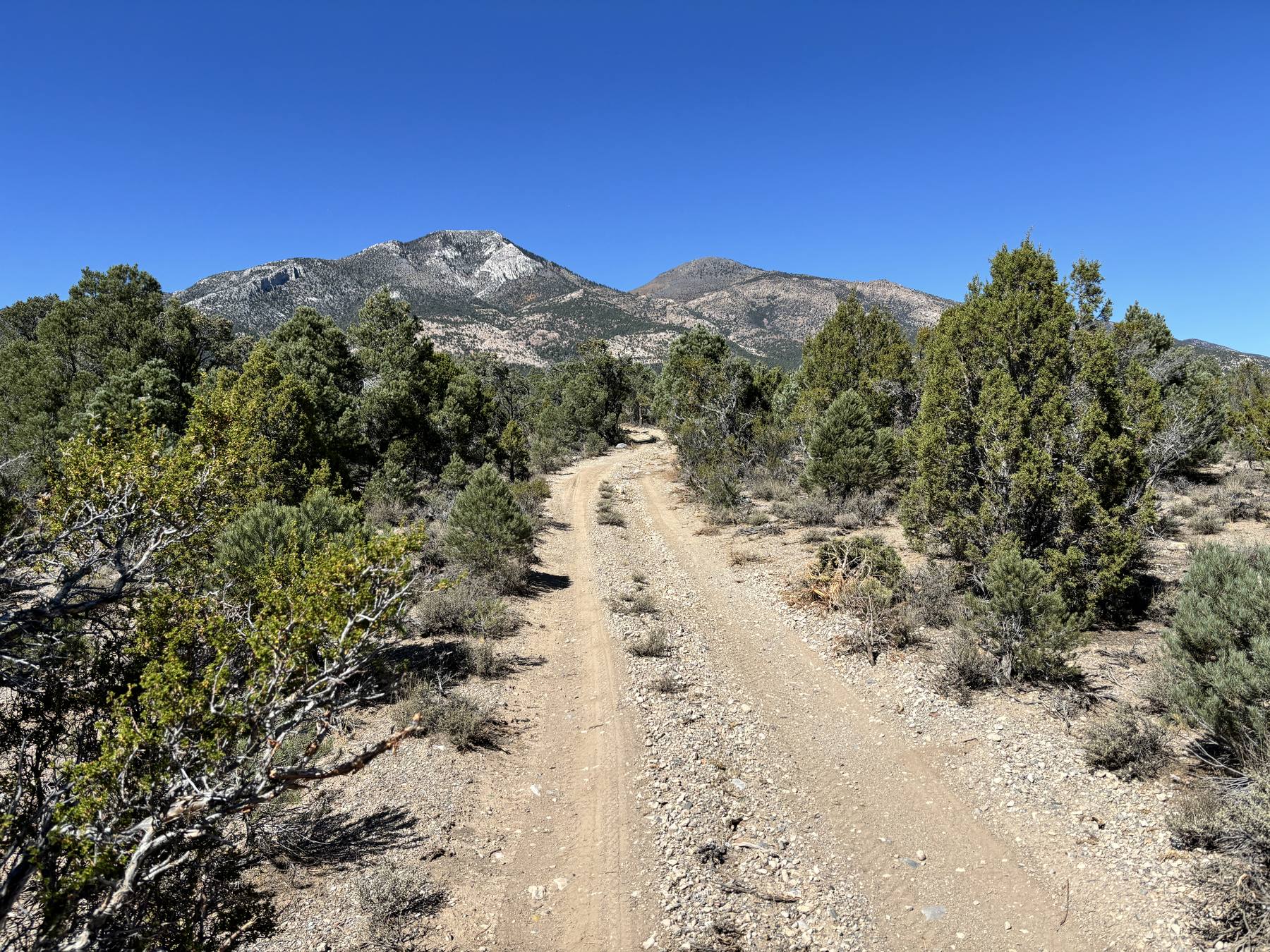
The Owyhee is one of the great undiscovered playgrounds in the West for ATVs, UTVs, and dirt bikes — wide-open high desert where the trails run for hundreds of miles and you can ride all day without crossing another machine's track. And Sunny Ridge sits right in the middle of it, in Jordan Valley, with Oregon's canyon country out one direction and Idaho's famous Owyhee Front trail system a short haul the other.
This guide covers the best places to ride on both sides of the line, the permits and rules you'll want squared away first, and — the part that separates a great trip from an expensive one — how to know which routes are actually legal to ride out here. None of it is complicated once you know how it works. Here's the rundown.
Why the Owyhee is a rider's paradise
This is big, open, varied country. On the Oregon side you've got dramatic canyon-rim routes and the kind of scenery that makes you stop the machine just to look. Across in Idaho, the Owyhee Front is a legend among riders — nine-plus trailheads feeding hundreds of miles of trail, everything from mellow two-track to tight single-track, sand washes, and steep, rocky technical climbs. Whatever you ride and however hard you want to push it, there's terrain here for it. And because it's so remote, the trails stay uncrowded in a way the popular systems closer to the cities just aren't anymore.
Where to ride
A few of the standout rides within reach of Jordan Valley. All of these are remote — plan on a full day, fuel up first, and carry more water than you think you need.
Oregon side
- Leslie Gulch, Steamboat Ridge & 3 Fingers Gulch. The marquee local ride — a big, scenic route with serious elevation change through some of the most jaw-dropping volcanic canyon scenery in the state. Pair it with our Leslie Gulch guide for the lay of the land.
- Owyhee Canyon Rim to Watson. A classic Owyhee adventure: from the Cow Creek Bridge area, run the back roads out to the Owyhee Canyon rim, then drop the rough trail down toward Watson — a cluster of old homesteads the government bought out in the 1930s before Owyhee Dam went in. When the lake is low, you can ride right down to them. Watch for wild horses along the way.
- Jordan Craters & Owyhee Reservoir routes. Two-track running across the high desert toward the black lava country and the reservoir — easier cruising with huge views.
Idaho side
- The Owyhee Front. The big one. Hemingway Butte, Fossil Creek, and Rabbit Creek trailheads anchor a system of hundreds of miles of routes — tight canyons, sand washes, and rocky climbs rated moderate to difficult. There's even a 200-acre open play area by Hemingway Butte with hill climbs. Free to ride; you'll need a current Idaho OHV sticker.
- Silver City run. Routes through the Owyhee Mountains connect to the genuine Old-West ghost town of Silver City — a ride and a history lesson in one. See our Silver City guide.
Permits & rules — get these squared away first
Here's the one thing out-of-state riders trip over: Oregon and Idaho don't honor each other's permits. If you're riding both sides of the line — and you should — you need a sticker for each state. Both are cheap and quick to get online, so just knock it out before you roll. The quick version for each state:
Oregon OHV — at a glance
- Permit
- ATV Operating Permit (sticker) — $10, valid 2 years
- Who needs it
- All ATVs/UTVs on public land open to OHV use, residents & nonresidents
- Where to get it
- Oregon Parks & Recreation, online or at vendors (online gives a temp permit good 21 days)
- Safety card
- Required for quads & motorcycles; youth under 16 need hands-on training
- Helmets
- Required for operators & passengers under 18
- Gear
- Working muffler & spark arrestor; carry a shovel & extinguisher in fire season
- Agency
- Oregon Parks & Recreation Dept (OPRD)
Idaho OHV — at a glance
- Permit
- OHV Certificate of Number (sticker) — about $12–13/yr (2-yr option available)
- Who needs it
- All ATVs/UTVs/dirt bikes on public land, residents & nonresidents (no reciprocity)
- Where to get it
- Idaho Parks & Recreation, online or at vendors
- Safety card
- Required for unlicensed operators on Forest Service roads; riders 15 & under supervised
- Helmets
- Required under 18
- Gear
- Muffler under 96 dB + Forest Service–approved spark arrestor
- Agency
- Idaho Dept of Parks & Recreation (IDPR)
How to know where you can ride — the part that matters
This is the single most useful thing in this guide, so here it is plainly. Out here, the land is managed mostly by the BLM, and the rule across nearly all of it is simple: stay on designated routes. Open, go-anywhere cross-country riding is the rare exception, not the norm — most of the Owyhee is "limited to designated routes," which means the existing roads and trails are your playground and cutting off them isn't allowed. It's how the country stays as wild and rideable as it is.
The good news is it's genuinely easy to know where you stand, and the tool that does it is free:
- Get the MVUM. The Motor Vehicle Use Map is the official map showing exactly which routes are open, to which kind of vehicle, and when. The handy rule of thumb: if a route isn't on the map as open, treat it as closed. The maps are free.
- Put it on your phone with Avenza. Download the free Avenza Maps app, load the geo-referenced MVUM for the area, and your phone's GPS shows a little blue dot right on the legal map — no cell service needed. One glance tells you whether you're on a legal route. This is the trick the locals use, and it works anywhere out here.
- onX Offroad is a slick companion for planning rides and reading terrain; pair it with the MVUM for the legal certainty.
- When in doubt, call the office. The BLM Vale District (Oregon) and Owyhee Field Office (Idaho) can tell you current route and closure status — conditions change with weather and season.
A few places are simply off-limits to machines no matter what: designated Wilderness and Wilderness Study Areas, the Wild & Scenic Owyhee River corridor, and private ranch land (ask first — a lot of valley ground is private). Knowing this before you go is the whole game; it keeps your trip fun and ticket-free.
How a trip out here actually works
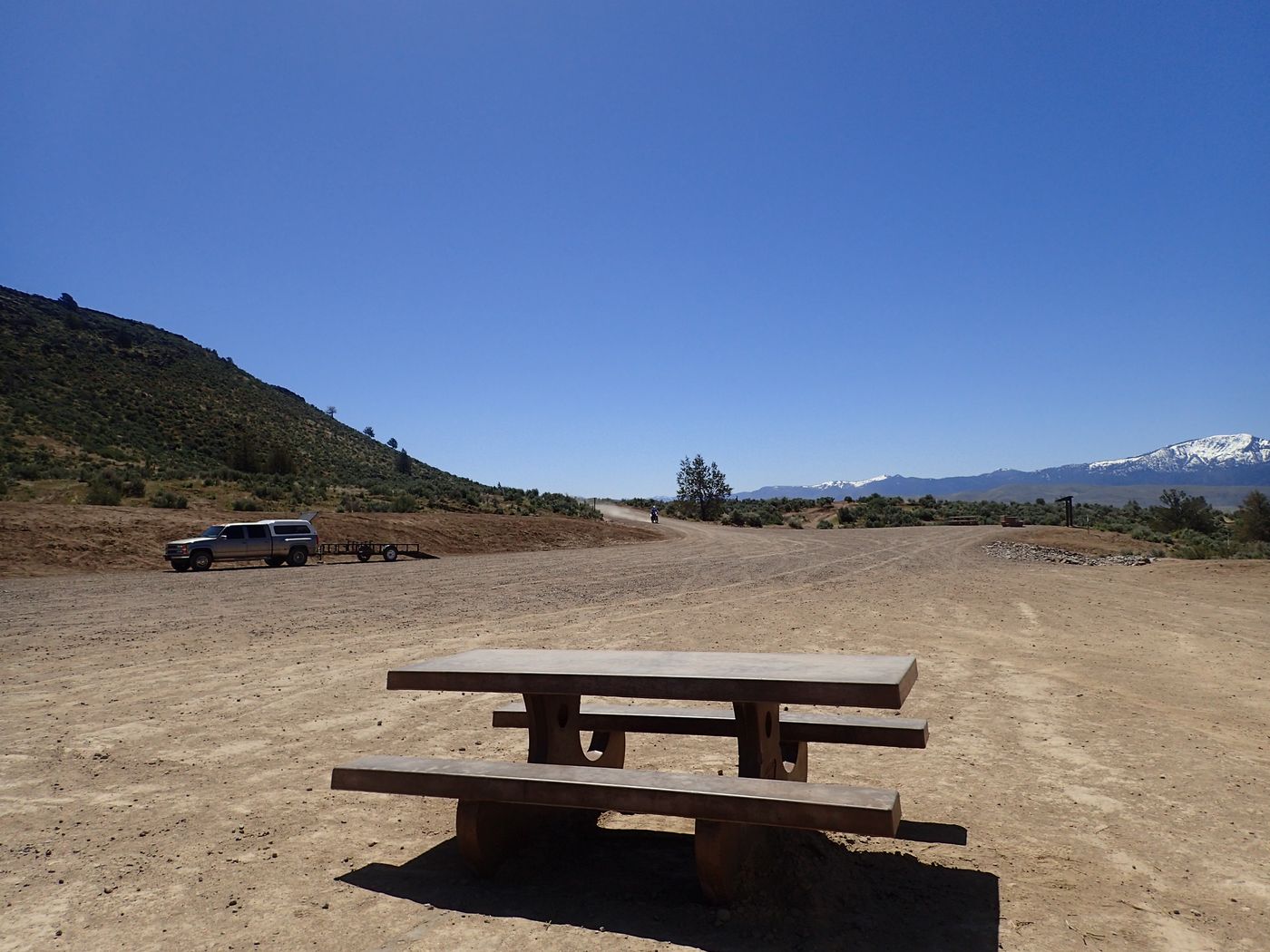
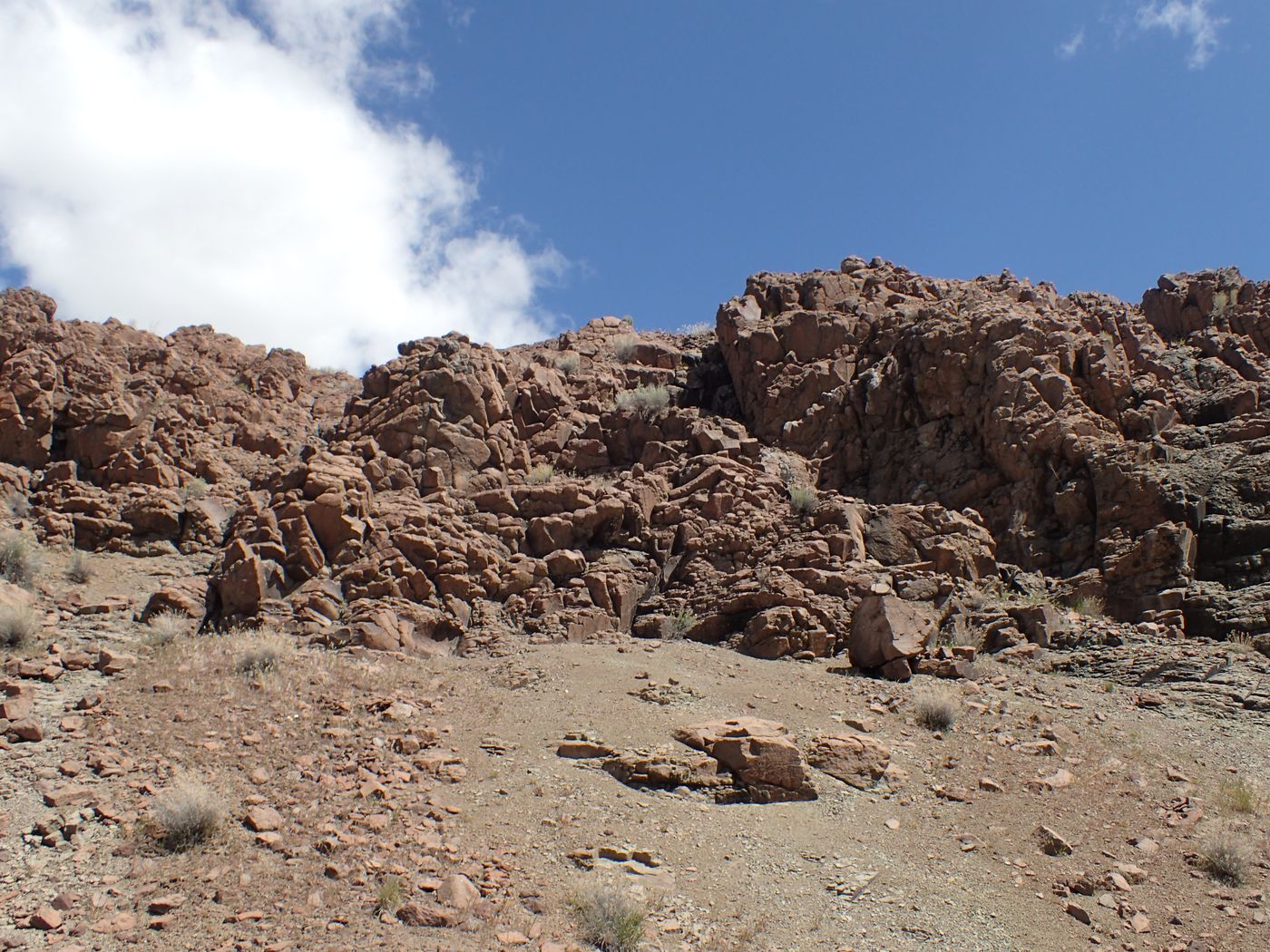
Here's the simple rhythm that makes an Owyhee riding trip great: base in Jordan Valley, trailer your machine to a trailhead, and ride the designated routes from there. The trailheads — especially on the Idaho Owyhee Front — are set up for exactly this, with gravel staging areas, loading ramps, and room to unload a trailer. Some have vault toilets, but none have water or shade, so you're self-sufficient once you're out.
That's the beauty of having a real basecamp instead of a tent in the dust: you load up in the morning, ride hard all day, and come back to camp at night instead of roughing it in the backcountry. Fuel up in Jordan Valley before you head out — it's your last reliable gas — download your maps while you've still got signal, and tell someone your plan.
When to ride & what to pack
The sweet spot is spring and late fall. Summer in this high desert is brutally hot and dusty with no shade at the trailheads, and the dirt turns to impassable mud when it's wet, so check the forecast. Pack like the backcountry it is: plenty of water, extra fuel, a full-size spare and a tire plug kit, sun protection, basic tools and first aid, and your downloaded maps. There's little to no cell service once you leave town — that's part of the appeal, but plan for it.
Make it part of a bigger trip
The Owyhee rewards riders who stay a few days. String together a canyon ride at Leslie Gulch, a run out to the Owyhee Reservoir, and a trip to the Silver City ghost town across the Idaho line. End a dusty day under some of the darkest skies in the country — see our Dark Skies guide. There's a week of riding and exploring here, easy.
Why base your ride at Sunny Ridge
You don't have to rough it to ride rough country — and you don't even need to own an RV to make Sunny Ridge your basecamp. We've got room for however you travel:
- Full-hookup RV sites with power, water, and sewer, and plenty of room to park a truck and a loaded trailer.
- Furnished rental trailers — two of them, ready to book if you're rolling in with your machine but not a camper. Bring your gear and your toys; the lodging's handled.
- A guest house — a 2-bedroom, 2-bath place for a riding crew that wants real beds, a full kitchen, and room to spread out and swap stories after a day on the trail.
Ride all day, trailer back, hose off the dust, eat well, and sleep in a real bed in Jordan Valley — the comfortable center of some of the best riding country in the West.
Your basecamp for the Owyhee ride
RV sites, furnished rental trailers, and a full guest house — right in Jordan Valley, with Oregon's canyon trails and Idaho's Owyhee Front both within easy reach. Bring the machines; we've got the beds.
Book Your Stay